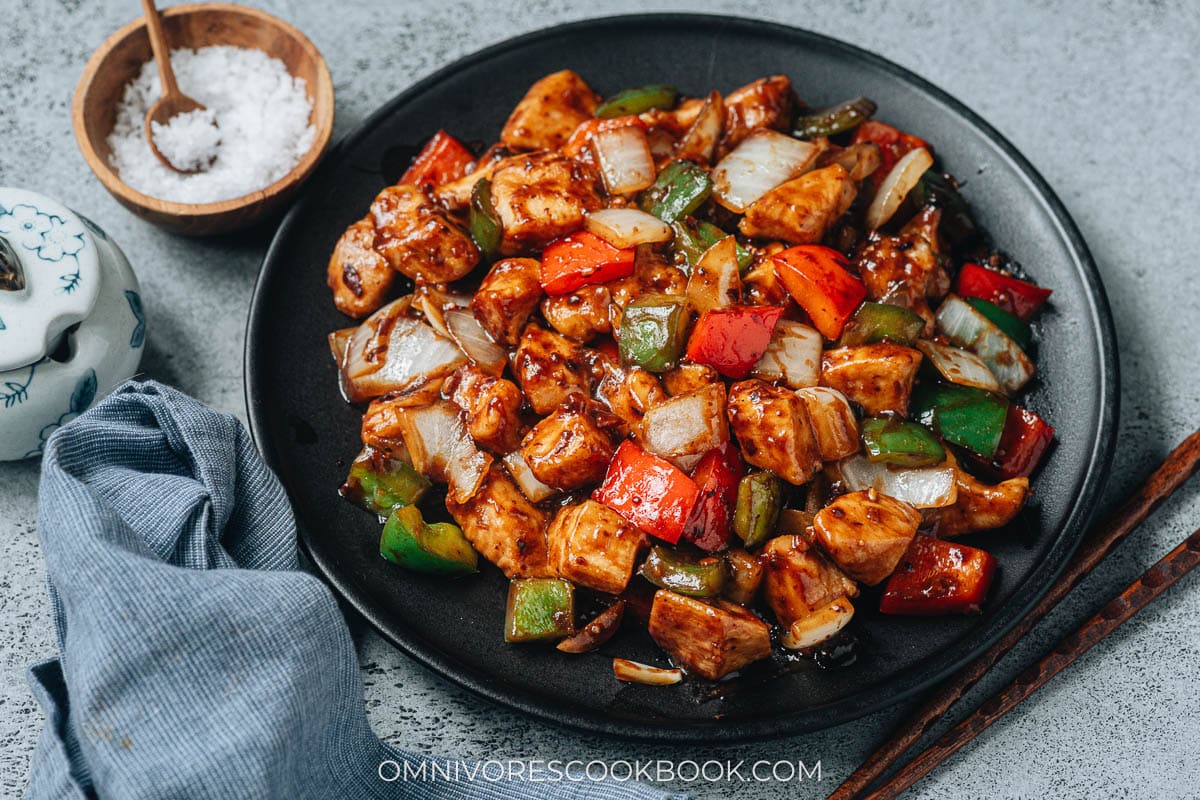
The Irresistible Allure of Chicken with Black Bean Sauce
Imagine a symphony of flavors – savory, slightly sweet, a touch of heat, and that profound umami punch – all coating tender pieces of chicken, intertwined with vibrant bell peppers and onions. This is the magic of `chicken with black bean sauce`, a dish that has captured hearts and palates across the globe. My own journey into its captivating world began not in a Michelin-starred establishment, but amidst the exhilarating chaos of a bustling night market, where the air hummed with exotic aromas. It was the distinct, alluring scent of fermented black beans that pulled me in, promising a culinary adventure that delivered on every note.
This classic Chinese stir-fry is a testament to how simple ingredients can create an extraordinary experience. Often hailed as a weeknight hero, `chicken with black bean sauce` proves that an easy technique and a short ingredient list do not equate to a compromise on flavor. It's a dish celebrated for its speed, its versatility, and its deeply satisfying taste, making it a perennial favorite for both novice home cooks and seasoned chefs. For many, chicken is the protein of choice for such stir-fries, effortlessly absorbing the rich sauce and offering a delightful texture that perfectly complements the robust flavors of the black bean sauce.
Decoding the Black Bean Sauce: Homemade vs. Jarred
At the heart of any exceptional `chicken with black bean sauce` lies, unsurprisingly, the black bean sauce itself. This potent condiment is what transforms ordinary chicken into an unforgettable meal. But here lies a crucial decision for the home cook: to reach for a commercial jar or to embark on the rewarding journey of making it from scratch?
The Magic of Fermented Black Beans (Dòu Chǐ)
The quintessential flavor of black bean sauce originates from fermented black soybeans, known as Dòu Chǐ (豆豉). These tiny, dark beans, rich in umami, undergo a fermentation process that deepens their flavor profile, making them savory, slightly salty, and intensely aromatic. When combined with a generous medley of fresh aromatics – think fragrant garlic, pungent ginger, and crisp scallions – the base for an incredible black bean sauce is formed. Traditional recipes often start by gently frying these individual components to unlock their full potential, creating a layered depth that is hard to replicate.
The Convenience of Jarred Black Bean Sauce
For those busy weeknights or when time is of the essence, a quality jarred black bean sauce can be a lifesaver. Pre-made sauces often contain the fermented black beans along with garlic, ginger, and other essential Chinese seasonings like soy sauce, Shaoxing rice wine, and sometimes even a hint of five-spice powder and sesame oil.
*
Pros:
*
Speed: Drastically cuts down preparation time.
*
Accessibility: Widely available in most Asian grocery stores and many supermarkets.
*
Consistency: Offers a reliable flavor profile every time.
*
Cons:
*
Sodium Content: Commercial sauces can be high in sodium, making it harder to control the saltiness of your dish.
*
Additives: May contain preservatives, artificial flavors, or excessive sugar.
*
Flavor Nuance: While convenient, some jarred versions can lack the fresh, vibrant complexity of a homemade sauce.
Jarred black bean sauce is an excellent option for beginners looking to master the stir-frying technique without the added step of sauce preparation. It allows you to quickly enjoy a flavorful `chicken with black bean sauce` with minimal fuss.
The Superiority of Homemade Black Bean Sauce
If you have a little extra time and are seeking to truly elevate your `chicken with black bean sauce` to restaurant-quality status, making your black bean sauce from scratch is highly recommended. The difference in taste, freshness, and health benefits is substantial.
*
Pros:
*
Unrivaled Flavor: Homemade sauce boasts a richer, fresher, and more nuanced flavor profile. The vibrant notes of freshly sautéed garlic and ginger truly sing.
*
Health Control: You have complete control over ingredients, allowing you to reduce sodium, sugar, and avoid any artificial additives or preservatives.
*
Customization: Adjust the spiciness, sweetness, or saltiness to perfectly suit your palate.
*
Cost-Effective: While the initial purchase of individual ingredients might seem more, making large batches of homemade sauce can be more economical in the long run.
A homemade black bean sauce typically starts with rehydrated fermented black beans, which are then often roughly chopped or mashed and stir-fried with plenty of fresh garlic, ginger, and scallions. Essential Chinese seasonings like light soy sauce, Shaoxing rice wine, a touch of sugar, sesame oil, and sometimes five-spice powder are then added to create that signature complex, layered flavor. Once you've tasted the difference, you might find yourself saying goodbye to the jarred varieties for good! For a deep dive into crafting this essential condiment,
Discover Authentic Chicken with Black Bean Sauce at Home.
Crafting Your Perfect Chicken with Black Bean Sauce: Key Techniques
Regardless of your sauce choice, mastering a few core techniques will ensure your `chicken with black bean sauce` is always tender, juicy, and packed with flavor.
The Art of Velveting Chicken
This crucial Chinese cooking technique is what gives stir-fried chicken its incredibly tender, silky texture. It's surprisingly simple:
1.
Slice and Marinate: Cut chicken thighs or breasts into bite-sized chunks, ideal for chopsticks.
2.
Cornstarch and Liquid: In a bowl, combine the chicken with cornstarch, a pinch of salt, and a little water. Stir *very* well – almost massaging the chicken – until it becomes slightly sticky. This creates a protective coating.
3.
Seal with Oil: Finally, mix in a small amount of cooking oil. This step locks in moisture, ensuring the chicken stays succulent during high-heat cooking and prevents it from sticking.
4.
Rest: Allow the chicken to marinate for at least 10 minutes.
Velveting protects the chicken from drying out, ensuring each piece remains tender and juicy through the rapid cooking process.
Mastering the Stir-Fry Method
The beauty of `chicken with black bean sauce` lies in its quick-cooking nature. A wok is ideal for stir-frying due to its heat distribution, but a deep skillet works perfectly too.
1.
Heat the Pan: Heat your wok or skillet until it's smoking hot. This is critical for achieving that coveted "wok hei" (breath of the wok), which imparts a smoky, caramelized flavor.
2.
Sear the Chicken: Add cooking oil, then immediately add your marinated chicken pieces, arranging them in a single layer. Sear over high heat until the bottom side turns pale. Flip and stir until all sides have lost their pinkness. The chicken won't be cooked through yet, but this initial searing builds flavor and texture. Transfer the chicken out to a plate, leaving any oil behind.
3.
Aromatics & Sauce: In the same pan, quickly stir-fry your aromatics (garlic, ginger, sometimes sliced onions or bell peppers) until fragrant. If using homemade black bean sauce, add it now. If using jarred sauce, you might combine it with a splash of water or chicken broth, a dash of soy sauce, and a pinch of sugar to thin it slightly before adding.
4.
Combine and Thicken: Return the seared chicken to the pan. Add any other desired vegetables (like bell peppers or snow peas) and stir-fry until just tender-crisp. Pour in your prepared black bean sauce mixture. Stir quickly to coat everything evenly. If needed, a cornstarch slurry (cornstarch mixed with a little water) can be added to thicken the sauce to your desired consistency.
5.
Serve Immediately: Garnish with fresh scallions and serve hot over steamed rice.
For a comprehensive, step-by-step guide to this rapid-fire cooking method, check out
Minute Chicken with Black Bean Sauce: Your Easy Weeknight Stir-Fry.
Tips for Elevating Your Black Bean Sauce Chicken
*
Fresh Ingredients are Key: Always use fresh ginger and garlic. Their pungent notes are indispensable.
*
Don't Overcrowd the Pan: Cook the chicken in batches if necessary to ensure it sears, rather than steams. Overcrowding lowers the pan temperature.
*
Balance is Everything: Taste your sauce and adjust. A good black bean sauce chicken should have a harmonious balance of salty, savory, and a hint of sweet. A tiny pinch of sugar can brighten flavors, while a splash of Shaoxing wine adds depth.
*
Experiment with Vegetables: Beyond bell peppers and onions, try adding broccoli florets, snap peas, mushrooms, or even bok choy for added texture and nutrients.
*
Spice it Up: For a spicy kick, add a few dried red chilies to the oil with the aromatics, or a dash of chili oil to the finished dish.
Conclusion
Whether you opt for the unparalleled depth of a homemade black bean sauce or the convenient efficiency of a quality jarred option, crafting `chicken with black bean sauce` at home is a rewarding culinary endeavor. It's a dish that embodies the spirit of Chinese stir-frying – quick, vibrant, and bursting with complex flavors. By understanding the core ingredients, mastering the velveting technique, and embracing the high-heat stir-fry method, you can consistently create a restaurant-quality meal in your own kitchen. So, choose your sauce, sharpen your knives, and get ready to enjoy the rich, savory delight of `chicken with black bean sauce` that promises to transport your taste buds on an unforgettable journey.